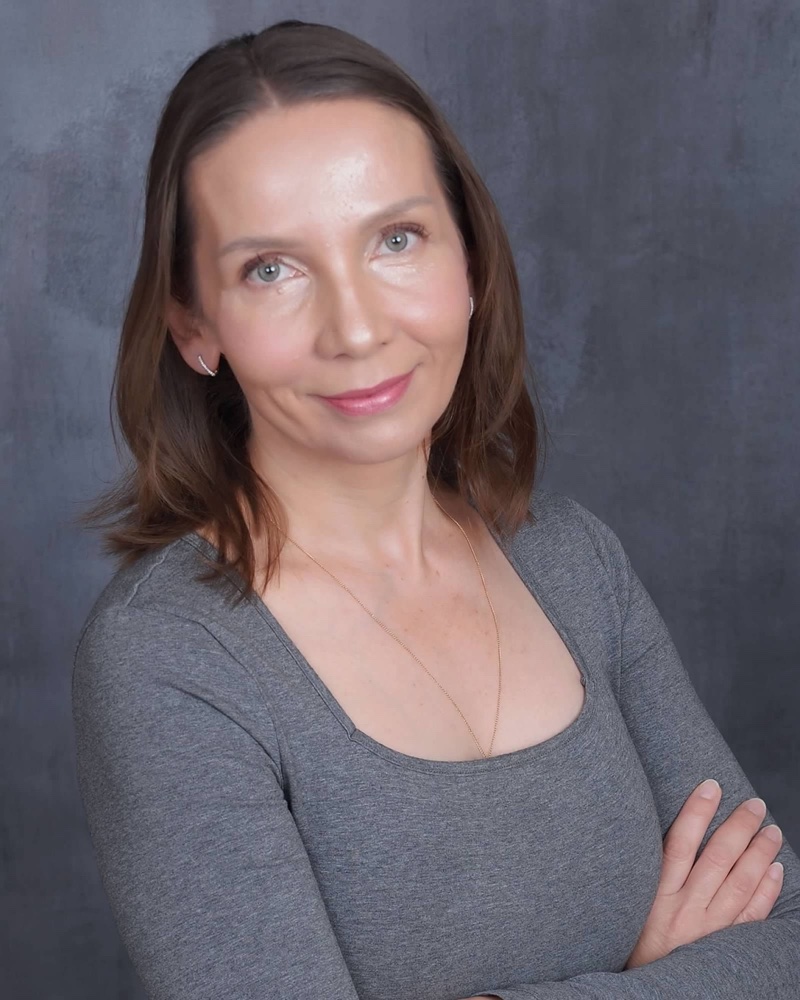
Round Rock ISD · Board of Trustees
Place 3
Listen. Analyze. Improve.
I've spent years paying attention to how our schools work — as a mom of four, and as a professional who improves complex systems for a living. I've seen enough to know where the system can work better, and I'm ready to help.
Why I'm running
Education changed my life. I was raised by a single mother, and public school opened doors I never imagined possible — doors that led to two degrees, a career I love, and the life my family has built in Texas. That's why I believe so deeply in public education: I want RRISD students to walk through doors like the ones that opened for me.
For years, I've been the parent with her hand raised. I've asked questions in school offices and at board meetings, advocated for my four children, and paid attention to how our district actually works — what it does well, and where families can get tangled in process.
At some point, honesty caught up with me. If I really believed I could help make things better, I couldn't keep saying so from the sidelines. I had to be willing to serve.
That's why I'm running. I've seen enough as a parent to know where the system can work better. And improving systems is what I do — my career is spent studying how complex organizations behave, finding problems early, and fixing the processes that cause them.
Round Rock ISD has given my family a great deal: dedicated teachers, music programs my children love, real opportunities. I want to give back the most useful things I have — my attention, my judgment, and my skills.
— Vera Southwell
What I value
Every decision begins with students, families, and our community in mind.
I listen, learn, and lead with integrity and transparency.
We invest in our educators and programs to help every student thrive.
Those are my values. The rest of this page is the method: how I govern, the questions I ask before big decisions, and the commitments that will guide my votes.
How I govern
Good governance is a discipline. Trustees govern as a board: they ask good questions, set expectations, and hold the system accountable for results, while the administration runs the district day to day. Within that role, this is my method.
Students, parents, teachers, staff, administrators, neighbors — the people closest to a problem usually see it long before it shows up in a report. I take people seriously when they speak up, especially when it would be easier not to. I'll come to every question with an open mind, and I'll listen to people who agree with me and people who don't.
Boards make better decisions when they understand what is actually happening, not just what a summary says. My career — and my Six Sigma Black Belt — taught me to look past symptoms to root causes: What does the data show? What's driving it? What are the risks? What would success look like, and how would we know?
Naming a problem is the easy part. The real work is changing the process behind it and checking whether the change worked. Good systems are never finished: understand what's happening, find out why, make a change, measure the result, and improve again. We should ask more than whether a policy was adopted or a program was launched — we should ask whether it achieved what we intended.
What I bring
School boards work best when trustees bring different strengths to the table. Here is mine:
My four children have experienced RRISD classrooms, fine arts, and extracurriculars. I know this district from the inside — including what it feels like to navigate it when something isn't working.
My career has taught me to look at complex systems differently — to find patterns, risks, and root causes, and to measure whether a fix actually worked. With an MBA in management science and a Six Sigma Black Belt, I've spent my professional life learning why processes fall short of their intent, and how to improve them. That's the discipline a trustee needs when facing a budget, a performance report, or a program evaluation.
I volunteer with organizations that support music, education, and the arts, and I serve as treasurer of my Toastmasters club. I show up for this community because it has shown up for my family — I'm part of the community I'm asking to serve.
I listen to everyone, but I make my own judgment. Good governance starts with understanding the question — before deciding which side is right. I'll hear people who agree with me and people who don't, examine the evidence, and decide what serves students and the community.
How I make decisions
Before supporting a major district decision, I'll ask the questions I've relied on throughout my career. They're simple to ask and demanding to answer — and that's the point.
What problem are we trying to solve?
What does the evidence tell us?
What are the risks and tradeoffs?
What will success look like?
How will we measure whether it worked?
When will we check the results?
Good governance means knowing what problem we're solving, how we'll know we're succeeding, and when we'll check — all in service of the question that matters most: did it help students?
Priorities
Five commitments will guide how I evaluate every agenda item, every budget, and every vote.
Timely, meaningful information for trustees — and a clear public view of how decisions are made and whether they're working.
Strong academics and a genuinely well-rounded education — fine arts, music, athletics, and activities where every student can find their place. A well-rounded education is often where a student first finds out who they are.
The people closest to students make schools work. Teachers need real support — when we ask more of them, we should be able to say what we've taken off their plates. Families need clear communication and a dependable path from concern to resolution.
Public schools run on public trust and public dollars. I'll treat both with care — watching trends instead of waiting for surprises, measuring whether programs deliver, and asking the hard questions before we spend.
Technology — including AI — that earns its place by solving real problems, with student privacy protected and evidence leading the way.
My focus
A board should do more than receive information. Trustees need visibility early enough to see trends, ask questions, and act. In my professional work, when a risk metric starts moving the wrong way, we look into it now — long before the end of the reporting period. I want trustees to have that same kind of timely view of the district's finances, academic outcomes, staffing, and operations.
RRISD has more information available to it than ever before. The opportunity is to use it well: to see trends as they develop, to measure whether programs are achieving what we hoped, and to give the public a clear view of how decisions are made.
Accountability gets real when you name what you'd look at. These are the kinds of measures I'd want the board to watch consistently:
Much of this already exists, and building and managing it is the administration's craft. A trustee's role is different: make sure the board receives meaningful information, understands the trends, asks good questions, and evaluates results. That principle is what I'll insist on: if we're spending public money and asking people to change how they work, we should know whether it's working.
Families
A district needs orderly processes — for public comment, for grievances, for the thousand questions families raise every week. But a system can be orderly and still leave people feeling unheard. What matters most is what happens after a concern enters the system.
When a family raises a serious concern, there should be a clear path from concern to resolution — and the family should know where they are on that path and what happens next if the first answer doesn't settle it. Raising a concern should be treated as an opportunity to make the district better, not a problem to be routed away.
The board should also look across concerns, not just at them one at a time. When many families independently raise the same issue, that isn't a stack of unrelated complaints — it's a signal of a possible systemic issue.
The measure of a good system isn't whether complaints get processed. It's whether problems get solved.
The listening campaign
I want to spend this campaign listening. Between now and election day, I'll be meeting with parents, teachers, students, staff, and community members across Round Rock ISD — and asking three questions:
As the campaign goes on, I'll bring what I hear back into the conversation — looking for patterns and pairing what people tell me with evidence, so that the themes I carry to the board reflect the community, and more than my own experience.
Building on strength
Good governance builds on what works. My family has seen it firsthand: dedicated teachers, music and fine arts programs my children love, and real opportunities for students to grow.
As the listening campaign continues, I'll keep adding to this list — publicly. Sometimes the right answer is to protect and extend what's already working, and a board should be able to say so out loud.
Use technology with purpose
Schools are entering a period in which technology and AI will touch nearly everything: teaching and learning, academic integrity, student privacy, cybersecurity, district operations, and the daily workload of teachers and staff.
I use these tools extensively in my own work, and I've spent my career where technology meets data and risk. That experience taught me a simple rule: more technology is not automatically better education. Technology should serve learning and people — and it should earn its place in the classroom.
The discipline is the same one I'd apply to any major initiative — the six questions, starting with the most important: What problem are we trying to solve? "Everyone is using AI" is not an answer. When technology genuinely improves learning, gives teachers meaningful time back, expands access, helps the district see problems earlier, or protects students and their information, I'll support it enthusiastically. My goal isn't more technology. It's better decisions about technology.
If elected
Trustees govern as a board, and the superintendent and staff run the district. Within that role, here is how I would start.
Meet with district leadership, campus leaders, teachers, parents, students, and community members — starting with the people I haven't heard from yet.
Review the key financial, academic, operational, and student-support information the board relies on, and understand how it flows to trustees today.
Build a short list of areas where better information, clearer processes, or stronger follow-through could improve outcomes.
Work with the board and administration to set measurable next steps — and a date to review progress.
Why now
Round Rock ISD has a great deal to build on, and I believe the next chapter calls for trustees who bring fresh perspective while respecting the experience already on the board. Experience matters. Fresh perspective matters too.
The coming years will bring complicated decisions about growth, budgets, technology, academic outcomes, staffing, and programs. I'll bring a disciplined approach to each one: listen carefully, understand the evidence, weigh the risks, and follow through on results.
Meet Vera
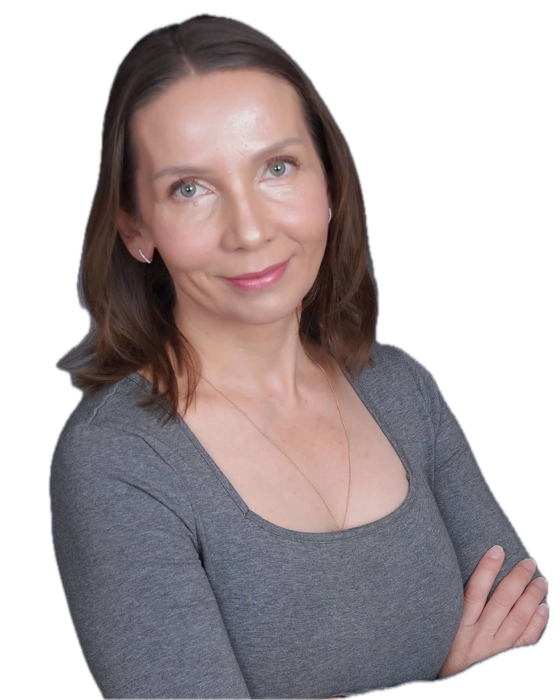
Vera Southwell believes in what education can do because she has lived it. Education opened doors she never imagined and made her life in Texas possible — and it's why she has spent years giving back to the schools and community that have given her family so much.
She earned two bachelor's degrees from the University of Texas at San Antonio — in business management and in French — and an MBA with a concentration in management science from the University of Miami. Her career has centered on data analytics, risk, research, and process improvement — she holds a Six Sigma Black Belt, a discipline for finding the root causes of problems and measuring whether fixes actually work. She has also taught data and analytics skills to other professionals, which shaped how she explains complicated things simply.
Vera and her husband are raising four children who have experienced Round Rock ISD through academics, fine arts, and extracurricular activities. She serves as treasurer of her Toastmasters club and volunteers with organizations supporting music, education, and the arts.
She is running for Place 3 because years of paying attention convinced her she could help — and because she believes that conviction carries an obligation to serve.
Get involved
Help with yard signs, block walking, neighborhood conversations, and campaign activities.
Email the campaignSupport the campaign's effort to reach Round Rock ISD voters.
Contributions open soon